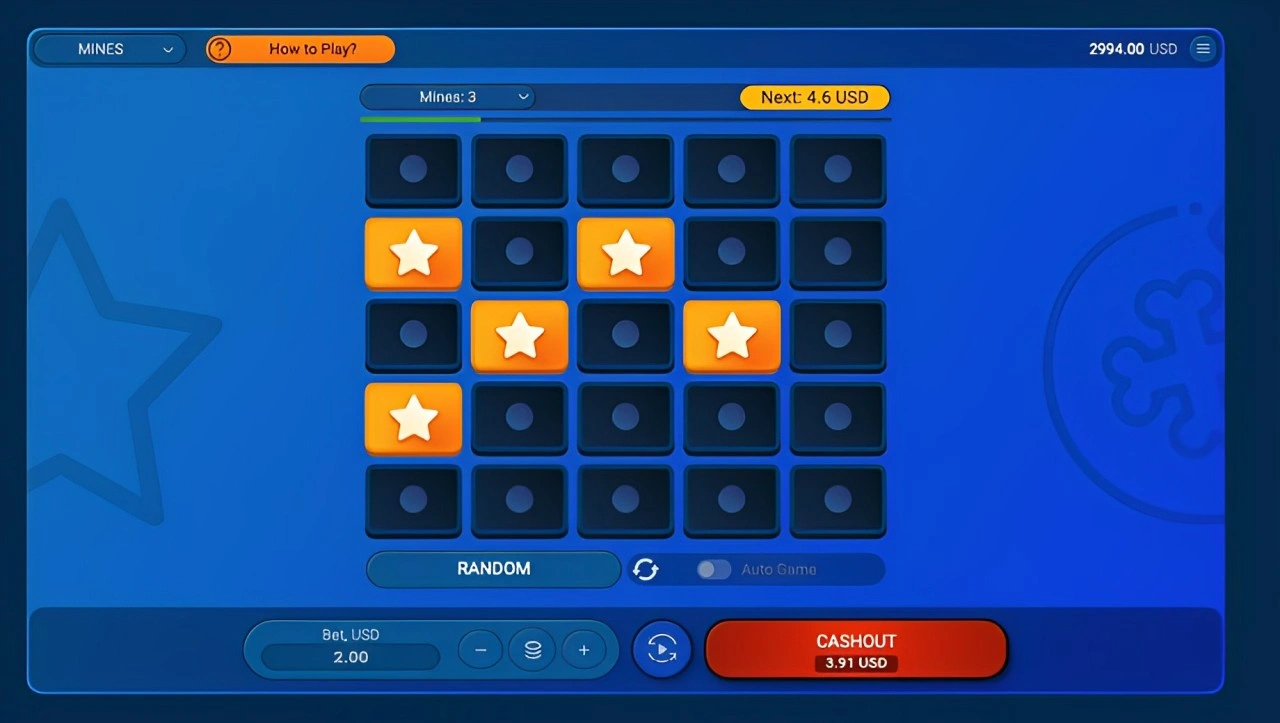
When you consider the Mines game, minesgame.eu, you might picture a basic grid filled with numbers. But there’s a extensive history behind its evolution in the UK. From initial text-based formats to the graphically appealing versions we see today, each phase mirrors shifts in technology and player needs. How did this game adapt over the decades, and what innovations have kept it significant? The background of this puzzle game shows more than just its gameplay.
Key Takeaways
- The Mines game transitioned from text-based gameplay in the 1980s, transitioning to graphical interfaces that improved user engagement and functionality.
- Early adaptations brought in multiplayer formats and varied puzzle mechanics, expanding its appeal in the UK gaming market.
- Technological progress in graphics and AI have consistently enhanced gameplay experiences, broadening challenges and improving player interaction.
- Community engagement has been emphasized, with regular updates and events reacting to player feedback and fostering a dynamic gaming culture.
- Future developments explore augmented reality and customizable options to keep the gameplay fresh and maintain player interest.
Origins of the Mines Game: Early History
The Mines Game traces its roots back to the early days of computer gaming, when simple text-based games began to capture the imagination of players.
You’ll find that its concept stems from the need for captivating and strategic gameplay, pushing game developers to investigate not just narrative but also puzzle mechanics.
Originally, it might’ve appeared like a straightforward game, depending on logic and deduction, but it quickly evolved as programmers honed their skills.
You could see how the game shifted from rudimentary ASCII art to more visual orientations, simplifying its design for better usability.
Each cycle brought new challenges, ultimately making the Mines Game a favorite among players.
You’ll recognize how its historical significance shaped the ever-evolving world of video games today.
The Rise of Computer Gaming in the UK
In the UK, computer gaming really flourished in the beginning, with programmers producing innovative releases that engaged gamers.
You could observe trending genres emerge, from platformers to role-playing games, shaping the video game scene.
This rise in the gaming industry not only engaged but also profoundly impacted the cultural scene, shaping everything from style to interpersonal relations.
Early Game Development
As computer technology began to progress in the late 1970s, a lively gaming community started to emerge in the UK, seizing the creativity of gamers and programmers alike.
You could observe this energy in the rise of personal computers like the ZX Spectrum and Commodore 64. With their easy-to-use software, amateurs began crafting video games in their houses, experimenting with images and music. This ingenuity laid the groundwork for a booming market.
You’d notice early titles, often straightforward yet engaging, holding the minds of players. Meanwhile, neighborhood clubs emerged, providing spaces for enthusiasts to exchange their creations and thoughts.
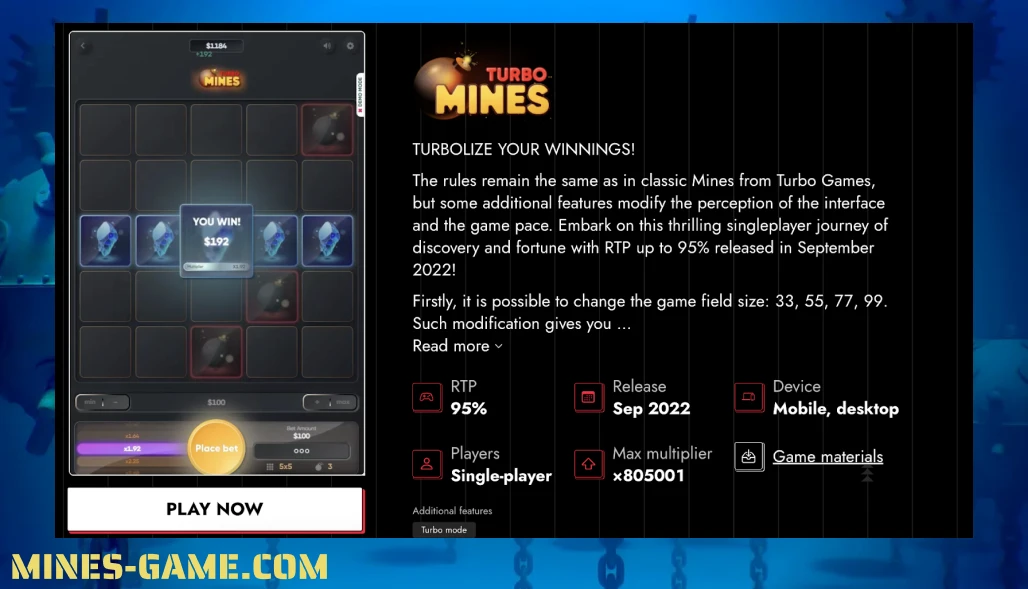
These advancements promoted collaboration, igniting innovation and resulting in the ultimate birth of legendary releases that reverberated throughout the gaming community.
Popular Genres Emergence
With the surge of home computing in the UK during the early 1980s, users found themselves involved in a wide array of game categories.
This time signified a important shift where you could experience numerous forms, each delivering unique experiences. As the video game scene changed, four distinct categories began to develop:
- Platformers
- Adventure Games
- Strategy Games
- Simulation Games
These genres not only influenced gameplay but also laid the groundwork for the exciting gaming culture you enjoy today.
Cultural Impact Surge
While many may have underestimated computer gaming’s potential in the early 1980s, the cultural impact it would soon have on the UK was unquestionable.
As you immersed yourself in gaming, it became clear that it wasn’t just a hobby; it influenced social interactions and cultural conversations. In living rooms and cafes, gamers connected over shared experiences, exchanging tips and strategies.
Gaming influenced music, fashion, and even language, introducing new slang that made its way into everyday conversations. With iconic titles like the Mines Game, you discovered a new form of storytelling that transcended bbc.com traditional media.
The rise of gaming not only ignited creativity but also fostered a sense of community, proving it was more than a pastime—it was a cultural phenomenon that transformed entertainment in the UK.
Notable Variants and Adaptations
When you look at the history of the Mines game, you’ll see how classic gameplay mechanics have inspired countless adaptations.
Each version offers unique twists, altering the way you approach the game. As technology progressed, these digital transformations added new layers of strategy and excitement.
Classic Gameplay Mechanics
As you explore the classic gameplay mechanics of minesweeper and its adaptations, you’ll notice how these foundational elements have shaped various versions over the years.
The core tenets remain captivating, challenging, and intuitive. Here are four key features that have stood the test of time:
- Grid-Based Exploration
- Number Indicators
- Flagging System
- Win/Loss Conditions
These elements keep the timeless minesweeper experience both entertaining and engaging.
Digital Transformations Over Time
Digital changes have notably shaped the development of minesweeper, bringing significant versions and modifications that appeal to modern audiences. You might’ve encountered vibrant graphics, better sound effects, or even multi-player modes in these latest iterations.
Designers now include challenges and stages that keep gameplay exciting, appealing to both occasional and serious players. Mobile editions have made minesweeping accessible everywhere, offering gesture controls for a more user-friendly experience.
Some adaptations combine types, like combining puzzles or tactics elements, providing a unique variation on the classic format. With social sharing options, you can invite friends to compete in high scores and accomplishments, building a sense of camaraderie.
These evolutions keep minesweeper relevant and engaging in the dynamic gaming world.
Technological Advances and Gameplay Enhancements
While technology has swiftly advanced, the Mines game series has consistently embraced these improvements to enhance gameplay and gamer experience.
You’ll notice several key developments that have changed your gaming experience:
- Enhanced Graphics
- AI Algorithms
- Cross-Platform Functionality
- Touch and Gesture Controls
These tech developments not only enhance gameplay but also make it more engrossing, holding you engaged for extended periods.
The Role of Community Feedback
Community feedback plays a crucial role in shaping the Mines gaming series, making sure that developers remain responsive to gamers’ desires and frustrations. When you express your thoughts and insights, you assist the developers comprehend what features resonate with you and what requires enhancement.
This interaction fosters a feeling of community and inclusion, allowing you to be like an integral part of the game’s progress. Developers actively monitor forums, social networks, and surveys to gather this valuable input, often implementing suggested changes and updates based on your input.
Modern Iterations: Mobile and Online Platforms
As the gaming landscape evolves, modern iterations of the Mines game series have successfully embraced handheld and internet platforms, making it more accessible than ever.
You can now game anytime and anywhere you want, fitting play into your busy schedule effortlessly. The latest versions are loaded with thrilling elements that improve gamer engagement.
Here’s what you’ll enjoy:
- User-Friendly Interfaces
- Real-Time Multiplayer
With these developments, Mines game keeps to enthrall audiences, showing it’s not just a classic favorite but a lively part of today’s gaming landscape.
Cultural Impact and Legacy in the UK
The Mines game has profoundly influenced UK gaming culture since its beginning, shaping how players connect with puzzle games.
You’ve possibly faced its engaging challenge, where tactics meets with chance. This game not only carved a niche in individual gameplay but also promoted social connections, as friends and family assembled to compete or cooperate.
Its presence in schools inspired creativity and problem-solving skills among students, making it more than just fun. As new versions appeared, the game kept its legacy, encouraging community events around local tournaments.
Today, when you reflect on classic British gaming, the Mines game remains as a evidence to creativity and participation, leaving an lasting mark on the shared gaming journey in the UK.
Future Directions and Innovations in Mines Game
While the Mines game has built a significant legacy in UK gaming culture, its future promises interesting innovations. You can anticipate a variety of new features that will improve gameplay and engagement.
Here are some future directions that could redefine your experience:
- Enhanced Reality Integration
- AI-Powered Challenge Levels
- Multiplayer Modes
These advancements could catapult the Mines game into a vibrant future, keeping it new and enthralling for all players.
Frequently Asked Questions
Who Originally Created the Mines Game Concept?
You might find that the original concept of the mines game, known as Minesweeper, was designed by Curt Johnson in the 1980s. It quickly gained popularity for its addictive gameplay and logical elements.
How Do Different Regions Play Mines Game Differently?
Different regions play the mines game with distinct rules and strategies, often influenced by cultural traditions. You might find changes in board size, scoring, and even how players participate, making each experience individual and enjoyable.
Are There Official Competitions for Mines Game in the UK?
Yes, there are official competitions for the Mines game in the UK. You can take part in various tournaments arranged by gaming clubs, schools, or online platforms, allowing you to showcase your skills and interact with fellow enthusiasts.
What Are the Most Popular Mines Game Themes or Skins?
The most popular Mines game themes often include classic treasure hunting, fantasy landscapes, and futuristic designs. You’ll enjoy bright colors, interesting characters, and lively backgrounds that improve your gaming experience and keep it exciting.
Can I Create My Own Mines Game Variants?
Yes, you can definitely create your own mines game variants! You’ll need to create unique themes, modify rules, and customize gameplay elements. Experimenting with different ideas can make your version truly exciting and interesting.
Conclusion
The Mines game’s progression from rudimentary text-based formats to its present captivating forms showcases the incredible evolution of puzzle gaming in the UK. With each technological development and community-led update, it remains a beloved pastime. As you continue to delve into modern iterations and variations, consider the game’s deep history and cultural significance. The future holds even more breakthroughs, ensuring the Mines game will continue engaging players for years to come.
 At vero eos et accusam et justo duo dolores et ea rebum.